Rose care
The rose is the flower people send when they want to be understood without a long explanation. Single-headed, long-stemmed, the classical shape. Treated well, a dozen roses can hold a room for the better part of a fortnight.

Season
Year-round
Vase life
Long
Sourcing
Direct from growers
Difficulty
Easy
How to care for them
Re-cut each stem at a sharp angle, ideally under running water. Strip the leaves below the waterline — submerged foliage rots and clouds the water. Use a tall vase that supports the heads. Cool water, no additives required.
Refresh the water every two days. Re-cut a small slice off each stem each time you change the water. Keep the vase out of direct sun and away from radiators. Pinch off any outer petals (called guard petals) that finish before the rest.
The classic problem is the bent neck — when the head droops just below the bloom. The stem has air-blocked. Submerge the entire rose (stem and head) in cool water for forty minutes — a clean sink works well. Re-cut and return to fresh water. Most bent-neck roses recover fully.
Common questions
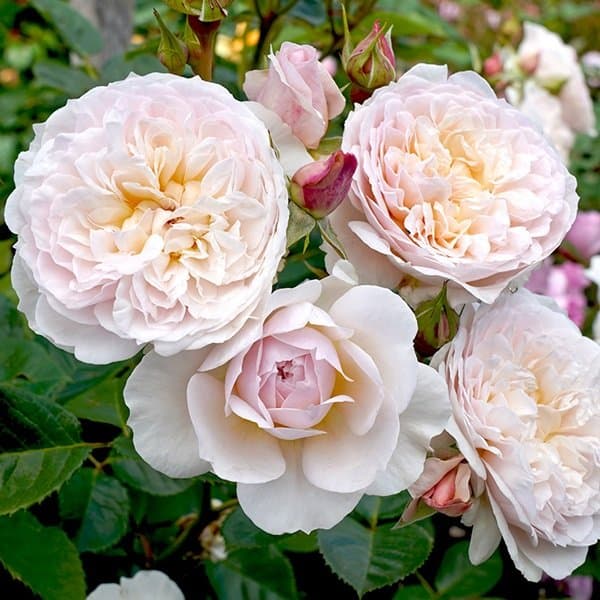
A standard rose is single-headed with tightly furled petals — the classical long-stemmed look people associate with Valentine bouquets. A garden rose is an older-style variety bred for multi-petalled, fragrant, open blooms — closer in look to what grows in a country garden, often with stronger scent. Both are roses; they offer two different aesthetics.
Among the longest-lasting cut flowers we send, with the right care: cool water, regular refreshes every two days, and a cool spot out of direct sun. Heat is the enemy. Every order is covered by our Stem freshness promise.
An air bubble has lodged in the stem and is blocking water reaching the bloom. The fix is full submersion: lay each rose flat in a sink of cool water for forty minutes. Then re-cut the stem at a sharp angle and return to fresh water. Recovery is usually full.
A florist will often pull the thorns from the lower stem before arranging, both for handling safety and because it prevents stem damage in the vase. You can leave them on at home; if you remove them, do it gently with the back of a knife rather than a tool that crushes the stem.
Optional. The sachet supplied with the bouquet helps in a vase you cannot refresh often. If you are changing the water every two days anyway, plain water and a clean vase do the job.
If the petals are crisp and browning, the rose has gone too far. If the head is soft and drooping but the petals are still supple, full submersion in cool water for forty minutes, followed by a fresh cut, recovers them most of the time.
Roses themselves are not toxic to cats or dogs. The thorns can cause cuts inside the mouth if pets chew the stems, and the foliage is unpleasant to digest, but the flower is safe.
They generally do not — the variety matters more than the colour. Some white varieties bruise more visibly, which can make them seem shorter-lived. The studio chooses varieties for both look and vase performance, regardless of colour.
Pairs beautifully with